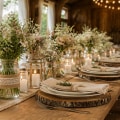
Weddings are not just a union of two individuals; they are a celebration of love that often intertwines with cultural traditions. These traditions serve as a rich tapestry that reflects the couple's heritage, values, and beliefs, making the event deeply personal and meaningful. Incorporating cultural elements into wedding decor not only honors family legacies but also creates a unique atmosphere that resonates with guests, allowing them to experience the couple's story in a profound way. The significance of wedding traditions extends beyond mere aesthetics. They symbolize the couple's commitment to their roots and the importance of family in their lives.
For instance, using traditional colors, symbols, or motifs in decor can evoke feelings of nostalgia and connection among family members, bridging generations. This thoughtful integration of culture into wedding decor can transform a standard celebration into an unforgettable experience that highlights the couple's identity. As couples seek to personalize their weddings, understanding the importance of these cultural traditions becomes essential. Not only do they enhance the visual appeal of the event, but they also infuse it with stories and meanings that resonate on a deeper level. By thoughtfully incorporating these elements into their decor, couples can create a wedding that is not only beautiful but also rich in significance, ensuring that their special day is remembered for years to come.
Exploring Different Cultural Traditions for Wedding Decor
Incorporating cultural traditions into your wedding decor not only adds a unique touch but also honors the rich heritage of the couple.Here are some inspiring ideas from various cultures around the world:
- Indian Weddings: Bright colors and intricate patterns are hallmarks of Indian weddings. Consider using marigold flowers for garlands and centerpieces, and incorporate traditional rangoli designs at the entrance to welcome guests.
- Chinese Traditions: Red symbolizes good fortune in Chinese culture. Use red lanterns, table runners, and even red envelopes as part of your decor. Incorporating dragon and phoenix motifs can also enhance the theme of harmony and balance.
- Mexican Celebrations: Embrace the vibrant spirit of Mexican culture with papel picado (decorative paper cutouts) and colorful papel maché decorations.
A piñata can serve as a fun centerpiece or activity for guests.
- Scottish Heritage: Incorporate tartan patterns into your table settings or use a clan crest as part of your decor. A traditional Scottish wedding might also feature a ceremonial sword display or a bagpiper to enhance the atmosphere.
- African Influences: Use bold colors and textures that reflect African art. Consider incorporating traditional fabrics like kente cloth for table runners or chair sashes, and use handmade crafts to add authenticity.
This not only enriches the decor but also strengthens family bonds during this significant celebration.
Incorporating Color Schemes from Cultural Backgrounds
Choosing a color scheme for your wedding decor that reflects your cultural background can add a profound layer of meaning to your celebration. Different cultures attribute unique significance to various colors, and incorporating these hues can enhance the overall aesthetic while honoring traditions.Understanding Cultural Color Significance
Before selecting your wedding colors, it’s essential to understand the meanings behind them in your culture. For instance:- Red: In many Asian cultures, red symbolizes happiness, prosperity, and good fortune, making it a popular choice for wedding decor.
- White: Often associated with purity and new beginnings in Western cultures, white is a traditional wedding color that can be beautifully complemented with vibrant accents.
- Blue: In some Middle Eastern cultures, blue is believed to ward off evil spirits and bring peace, making it a meaningful addition to wedding palettes.
- Gold: Frequently used in Indian weddings, gold represents wealth and success, adding a touch of luxury to the decor.
Combining Colors for Visual Impact
Once you have identified the significant colors from your cultural background, consider how to combine them effectively. Here are some ideas:- Accent Colors: Use neutral tones as a base and incorporate vibrant cultural colors as accents in table settings, floral arrangements, and linens.
- Layering Textures: Mix different fabrics in your chosen colors—like silk, lace, or burlap—to create depth and interest in your decor.
- Cultural Symbols: Integrate symbols or patterns that represent your heritage within the color scheme.
For example, using traditional motifs in table runners or centerpieces can enhance the theme.
Traditional Symbols and Their Meaning in Wedding Decor
Incorporating traditional symbols into your wedding decor not only enhances the aesthetic appeal but also adds a layer of meaning that resonates with cultural heritage. Here are some significant symbols and their meanings that can be beautifully integrated into your wedding decor:- Rings: The circular shape of wedding rings symbolizes eternity and the unbroken bond between partners. Consider using decorative ring motifs in centerpieces or as part of your table settings.
- Flowers: Different cultures attribute various meanings to specific flowers.
For instance, in many Western traditions, roses symbolize love, while in Japanese culture, cherry blossoms represent the fleeting nature of life. Incorporating these flowers into your arrangements can convey deeper sentiments.
- Colors: Colors hold significant meanings across cultures. For example, red is often associated with good fortune in Chinese weddings, while white symbolizes purity in Western traditions. Choose a color palette that reflects the cultural significance you wish to honor.
- Lanterns: In many Asian cultures, lanterns symbolize light and guidance.
Using lanterns as part of your decor can create a warm and inviting atmosphere while paying homage to these traditions.
- Celtic Knots: In Celtic culture, knots represent the interconnectedness of life and eternity. Incorporating these designs into your invitations or table settings can add a unique touch that reflects this rich heritage.
By choosing elements that resonate with you and your partner's backgrounds, you can create a wedding atmosphere that is not only visually stunning but also rich in meaning.
DIY Ideas for Incorporating Cultural Elements into Wedding Decor
Incorporating cultural traditions into your wedding decor can create a deeply personal and memorable experience. Here are some DIY ideas that allow you to celebrate your heritage while adding a unique touch to your special day.- Handmade Centerpieces: Create centerpieces that reflect your cultural background. For example, if you have a Mexican heritage, consider using vibrant papel picado banners and colorful flowers in traditional vases. Alternatively, for an Indian-inspired theme, use brass or copper vessels filled with marigolds and floating candles.
- Cultural Symbols: Incorporate symbols that represent your culture into your decor.
This could be as simple as using traditional patterns in table runners or creating a backdrop featuring significant motifs from your heritage. For instance, African kente cloth can be used to create stunning table settings.
- Personalized Signage: Design signs that include phrases or quotes in your native language. Use wood or canvas as a base and paint or stencil the text for a rustic look. This not only adds a personal touch but also invites guests to engage with your culture.
- Family Heirlooms: Incorporate family heirlooms into your decor.
Whether it’s a vintage lace tablecloth from your grandmother or traditional pottery, these items can serve as beautiful decor pieces while honoring your family’s history.
- Cultural Rituals: Set up areas for cultural rituals that can double as decor. For example, if you’re incorporating a tea ceremony, create a beautifully arranged tea station with traditional teapots and cups that reflect your culture.
Hiring Professionals: Finding Decorators Who Understand Cultural Traditions
When planning a wedding that incorporates cultural traditions, hiring the right professionals is crucial to ensure that your vision is accurately represented in the wedding decor. Here are some steps to help you find decorators who specialize in cultural elements:- Research Local Decorators: Start by searching for local wedding decorators who have experience with cultural weddings.
Look for portfolios that showcase their previous work, particularly in the style or culture you wish to incorporate.
- Ask for Recommendations: Reach out to friends, family, or community members who have recently planned weddings. They may have valuable insights or recommendations for decorators who understand specific cultural traditions.
- Check Online Reviews: Websites like WeddingWire and The Knot can provide reviews and ratings of wedding professionals. Pay attention to comments regarding their understanding of cultural nuances in decor.
- Schedule Consultations: Once you have a shortlist, schedule consultations with potential decorators. This is an opportunity to discuss your vision and see how they plan to incorporate your cultural traditions into the decor.
- Discuss Cultural Significance: During your meetings, ensure that the decorators understand the significance of the elements you want to include.
This could range from specific colors and symbols to traditional floral arrangements.
- Review Contracts Carefully: Before signing any contracts, make sure all details regarding the incorporation of cultural elements are clearly outlined. This will help avoid any misunderstandings later on.
Real-Life Examples: Successful Cultural Wedding Decor Stories
Incorporating cultural traditions into wedding decor can create a unique and meaningful atmosphere. Here are some inspiring real-life examples that showcase how couples have successfully integrated their heritage into their special day.1.Indian Wedding Extravaganza
One couple, Priya and Raj, celebrated their Indian heritage with a vibrant wedding that featured traditional Rangoli designs at the entrance. The use of colorful powders to create intricate patterns not only welcomed guests but also set the tone for the festivities.Their reception included a stunning mandap adorned with marigold flowers and draped fabrics, symbolizing prosperity and joy.
2.Mexican Fiesta Flair
Maria and Carlos infused their wedding with elements of Mexican culture by incorporating papel picado, decorative paper cutouts, throughout their venue. These colorful banners hung above the dance floor, creating a festive atmosphere. Additionally, they served traditional dishes like tamales and churros, which not only delighted guests but also honored their culinary heritage.3.Japanese Minimalism
Aiko and Ken chose a minimalist approach for their wedding decor, reflecting Japanese aesthetics. They used sakura (cherry blossom) branches as centerpieces, symbolizing the transient beauty of life.The couple also incorporated origami cranes as table decorations, representing peace and good fortune, which added a personal touch to each table setting.
4.African Heritage Celebration
Tandi and Sipho's wedding was a beautiful representation of African culture. They featured traditional Kente cloth as table runners and incorporated vibrant colors that reflected their heritage. The couple also included a libation ceremony, where they honored their ancestors, adding depth and significance to their celebration.These examples illustrate how couples can creatively weave their cultural traditions into wedding decor, making their celebrations not only visually stunning but also rich in meaning. By drawing inspiration from these real weddings, future brides and grooms can find ways to honor their backgrounds while creating unforgettable experiences for themselves and their guests.Frequently Asked Questions About Cultural Traditions in Wedding Decor
When planning a wedding, many couples wonder how to effectively incorporate cultural traditions into their wedding decor.Here are some frequently asked questions that can help clarify this process:
What are some examples of cultural traditions that can be included in wedding decor?
There are numerous ways to reflect cultural heritage in your wedding decor. Some popular examples include:- Color Schemes: Many cultures have specific colors that symbolize good fortune or happiness. For instance, red is often used in Chinese weddings, while white is traditional in Western ceremonies.
- Symbolic Items: Incorporating items such as a chuppah in Jewish weddings or a knot tying ceremony in Hindu weddings can add meaningful elements to your decor.
- Cultural Fabrics: Using traditional fabrics like silk or brocade for table linens or draping can enhance the aesthetic and honor your heritage.
How can I blend different cultural traditions in my wedding decor?
If you and your partner come from different backgrounds, consider these tips for blending traditions:- Choose a Theme: Select a unifying theme that reflects both cultures, allowing you to merge elements harmoniously.
- Consult Family Members: Involve family members from both sides to ensure that important traditions are respected and represented.
- Create a Fusion Menu: Pair traditional dishes from both cultures with decor that reflects each culinary heritage.
What should I consider when incorporating cultural elements into my wedding decor?
When integrating cultural traditions into your wedding decor, keep the following in mind:- Respect and Authenticity: Ensure that the traditions you choose to incorporate are authentic and respectfully represented.
- Aesthetic Balance: Aim for a cohesive look by balancing cultural elements with modern decor styles to avoid overwhelming guests.
- Personal Significance: Choose elements that hold personal meaning for you and your partner, making the decor more special and memorable.
Conclusion: Celebrating Love Through Cultural Traditions in Wedding Decor
Incorporating cultural traditions into wedding decor is not just about aesthetics; it is a profound way to celebrate love and honor heritage. Throughout this article, we have explored various methods to weave these traditions into the fabric of your special day, ensuring that every detail resonates with meaning.From the vibrant colors of traditional attire to the symbolic elements used in centerpieces, each choice reflects a story that connects couples to their roots.For instance, using cultural motifs in table settings or incorporating traditional music can create an atmosphere that is both festive and deeply personal.Moreover, involving family members in the decor process can enhance the experience, allowing them to share their insights and stories. This not only enriches the decor but also strengthens familial bonds as everyone contributes to a shared vision of love and unity.As we conclude, it’s essential to remember that wedding decor serves as a canvas for expressing individuality while honoring cultural legacies. By thoughtfully integrating these elements, couples can create a celebration that is not only visually stunning but also rich in significance.Ultimately, the goal is to craft a wedding that reflects who you are as a couple, celebrating both your love and the traditions that have shaped you. Embrace these cultural elements with open hearts, and let them guide you in creating a memorable day that resonates with all who attend.